
Public Safety
The most effective crime prevention isn't policing. It's employment.
Peer-reviewed research shows employment programs reduce criminal behavior by nearly 8 points — more than any other single intervention.
The safest intervention isn't a patrol. It's a future someone believes in.
Every city that has reduced gun violence sustainably did it the same way: by changing what young people believed was possible for them. Not with programs — with proof. A credential that gets someone hired. A salary that makes the street corner less necessary. A community that knows your name because you work there. LOUDmusic builds the thing that actually makes neighborhoods safer: visible, accessible, documented evidence that a career in music isn't a fantasy.
The numbers behind the mission.
Employment programs reduce criminal behavior by nearly 8 points — the single most effective intervention documented.
Sustained creative placemaking programs produce up to 49% violent crime reduction — culture creates safety.
The U.S. spends $43,000 per person per year on incarceration. LOUDmusic's program costs a fraction — and produces income instead of recidivism.
The 51.7% wage penalty for formerly incarcerated people costs the U.S. economy $55.2 billion every year.
Why employment is the most evidence-backed crime prevention available
The United States incarcerates more people per capita than any other developed nation. At $43,000 per person per year to incarcerate — and with a 51.7% lifetime wage penalty that follows release — the system creates conditions that make recidivism economically rational. The industries most affected: young men of color in urban environments. The neighborhoods most affected: the same ones where the creative economy has historically thrived and continues to grow, even as the people in those neighborhoods are systematically removed from it.
Music and creative careers are not a soft alternative to hard policy. They are an employment pipeline — one that produces verifiable credentials, documented income, and career trajectories in sectors with growing labor demand. When creative careers are treated as workforce infrastructure, the public safety outcomes follow from the employment, not from the art.
LOUDmusic builds employment pathways that hold — not programs that feel good, but careers that pay. DOL-registered apprenticeships, structured income development, and business formation support create the kind of sustainable employment that reduces the economic conditions in which violence occurs. The model is traceable: employed people with career trajectories re-offend at dramatically lower rates than unemployed people with nothing to lose.
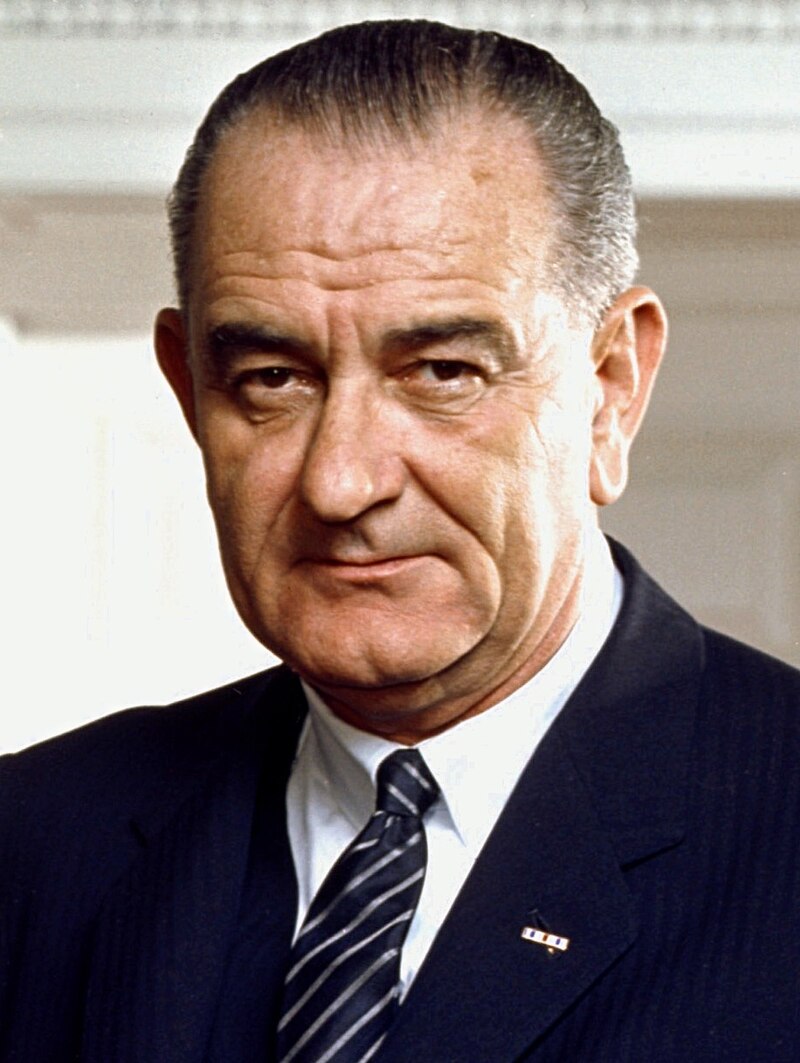
The long-run solution to the problem of crime is jobs, education, and hope.
Prevention costs less than intervention — and works better.
What Research Proves
The strongest upstream intervention available to society isn't therapy, policing, or incarceration — it's employment. European Economic Review (2025) documents a nearly 8-point reduction in criminal behavior from employment programs — more than any other single intervention studied. 68% of incarcerated individuals were unemployed at the time of arrest. Communities with unemployment above 10% see violent crime rates three times higher than those below 5%. Creative career pathways produce all downstream outcomes simultaneously: income, identity, community, and purpose.
Creative districts don't just produce music — they produce safety. The Urban Institute (2022) documents up to 49% violent crime reduction in communities with sustained creative placemaking investment. A professional recording studio is a public safety asset. A credentialed audio engineer is a prevention outcome. The cost of inaction is $43,000 per person per year in incarceration — plus the $55.2 billion annual wage penalty that falls on formerly incarcerated people and their communities. The fiscal argument for prevention is overwhelming.
What LOUDmusic Tracks
LOUDmusic targets a 30% recidivism reduction within 3 years for justice-program participants — tracked through DOJ-aligned longitudinal follow-up. Every program dollar is measured against a documented SROI range of $7.20–$21.60 per $1 invested, consistent with the Urban Institute's YouthBuild validation framework. Recidivism, employment rate, quarterly earnings, and credential attainment are all reported publicly — not as estimates, but as tracked outcomes per cohort.
Programs that drive public safety outcomes.
Justice Re-Entry
Creative career pathways for justice-involved individuals — targeting a 30% recidivism reduction through credential attainment and income.
Youth Re-Engagement
Reaching 5,000 disconnected youth by 2030 — young people not in education, employment, or training — and bringing them into a career pipeline.
Fund prevention, not intervention.
Every $500 funds one month of studio access — diverting a young person from a pathway that costs $43,000 per year to manage through incarceration. For cities and government agencies: LOUDmusic qualifies as a WIOA-eligible, evidence-based public safety investment.
Explore City Partnership All ways to support